Essentials for New DJs: Getting Started with the Right Gear

Becoming a DJ is an exciting journey filled with creativity, rhythm, and the opportunity to move crowds with your music. However, to get started, it's essential to have the right tools and knowledge to set yourself up for success. Whether you're planning to DJ at home, at small venues, or online, having a solid foundation in DJ essentials will help you build your skills and confidence. Here’s a guide to the basics every new DJ needs to consider.
1. DJ Controller
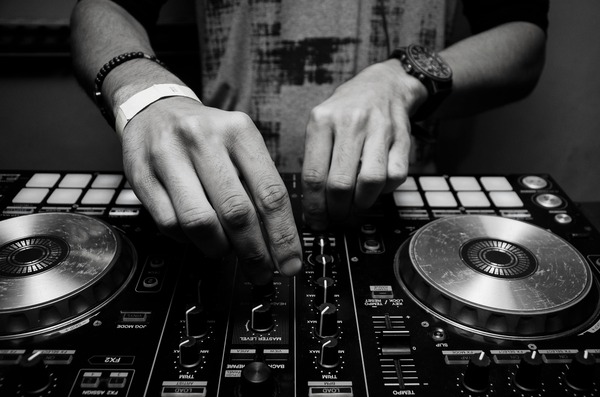
A DJ controller is the heart of your setup, acting as the interface between your software and sound system. It's crucial to select a controller that matches your experience level and DJing style. For beginners, it's often best to choose a controller with a straightforward layout, large jog wheels, and easy-to-navigate controls. Many controllers also come with built-in sound cards, which simplify the process of connecting to speakers or headphones. As you grow in your DJing skills, you might want to explore controllers with more advanced features like touch-sensitive jog wheels, performance pads, and customizable buttons.
2. DJ Software
DJ software is your primary tool for mixing music, and there are many options available, each with unique features. Popular choices include software that offers intuitive interfaces, extensive music libraries, and seamless integration with DJ controllers. When selecting software, consider your technical comfort level and the type of music you want to mix. Some software packages come with built-in tutorials, which can be incredibly helpful for beginners learning the ropes.
3. Headphones
High-quality headphones are an essential piece of equipment for any DJ. They allow you to cue tracks, monitor sound quality, and ensure that your mixes are seamless. Look for headphones with excellent sound isolation, as this will help you focus on your music even in noisy environments. Additionally, comfort is key, so find a pair with cushioned ear pads and an adjustable headband, especially if you plan to wear them for extended periods.
4. Speakers
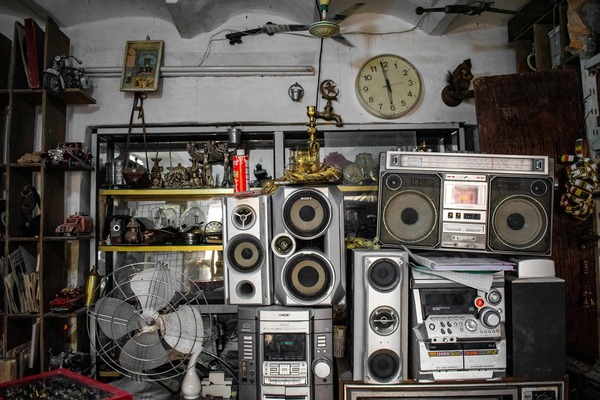
While headphones are crucial for personal monitoring, having a good set of speakers is essential for sharing your mixes with others. If you're working in a small space, you’ll want to consider compact studio monitors that deliver clear, accurate sound without overwhelming the room. These small space audio enhancements can significantly improve your mixing environment, allowing you to hear your music as it truly sounds. When choosing speakers, look for options that balance size, sound quality, and price.
5. Music Library
A well-curated music library is the backbone of any DJ's setup. As a new DJ, you'll need to start building a collection of tracks that reflect your style and the audiences you want to entertain. Many DJs subscribe to digital music pools, which offer a wide range of tracks across various genres. It's also wise to invest in high-quality audio files to ensure the best possible sound when mixing. Organizing your music by genre, tempo, and key will make it easier to create seamless transitions and build dynamic sets.
6. Laptop Stand
A sturdy laptop stand can make a significant difference in your DJ setup, particularly if you're working in a confined space. It elevates your laptop to a comfortable height, reducing strain on your neck and shoulders, and frees up space for other gear. Some stands are even adjustable and collapsible, making them easy to transport and set up at gigs. A laptop stand is a small investment that can greatly enhance your comfort and efficiency while DJing.
7. Cables and Accessories
Don't overlook the importance of high-quality cables and accessories. Reliable audio cables are essential for connecting your equipment and ensuring a clear sound signal. Additionally, having extra cables on hand can save the day if something goes wrong during a gig. Other useful accessories include cable organizers, USB hubs, and surge protectors to keep your setup tidy and functional.
8. Small Space Audio Enhancements
If you’re setting up your DJ station in a small space, consider adding small space audio enhancements to optimize your sound. This might include acoustic panels to reduce echo, bass traps to manage low-frequency sounds, or even portable soundproofing solutions to keep your mixes clear and crisp. These enhancements can make a big difference in how your music sounds, ensuring that your mixes are accurate and enjoyable, both for you and your audience.
9. Practice and Patience
Finally, the most important essentials for any new DJ are practice and patience. Mastering the art of DJing takes time, and the best way to improve is through regular practice. Start by learning the basics of beatmatching, track selection, and mixing, and gradually move on to more advanced techniques. Remember, every DJ was a beginner once, and with persistence, you’ll see your skills grow.
Starting your journey as a DJ is an exciting adventure filled with endless possibilities. By investing in the right equipment and dedicating time to practice, you'll be well on your way to creating memorable mixes and setting the stage for your DJ career.
About the Author