Conserving Energy and Saving Money with Electronics: Tips and Tricks


In today’s technologically advanced world, electronics play a pivotal role in our daily lives. From entertainment to home automation, these gadgets provide us with convenience and connectivity. However, they also contribute significantly to our energy consumption. With rising energy costs and growing environmental concerns, it’s more important than ever to find ways to conserve energy and save money through smarter use of electronics. Here are some practical tips and insights to help you achieve that balance.
Understanding Energy Consumption
Before diving into specific tips, it’s crucial to understand how electronics consume energy. Most devices draw power even when they are not in use, a phenomenon known as "phantom load" or "vampire power." This includes anything from your television and computer to smaller gadgets like chargers and game consoles. Addressing this hidden consumption is a key step towards energy conservation.
Practical Energy-Saving Tips
-
Unplug Devices When Not in Use: One of the simplest ways to save energy is by unplugging devices when they are not in use. Power strips with switches can be particularly useful, allowing you to disconnect multiple devices at once with ease.
-
Use Energy-Efficient Electronics: When purchasing new electronics, look for products with high energy efficiency ratings. Devices that are ENERGY STAR certified, for example, use less power without compromising performance. Investing in such products can lead to significant long-term savings.
-
Optimize Power Settings: Many electronics come with power-saving modes or settings. Ensure that these are enabled, particularly for computers, monitors, and televisions. Adjusting the brightness, setting shorter sleep modes, and using hibernation features can also reduce energy consumption.
-
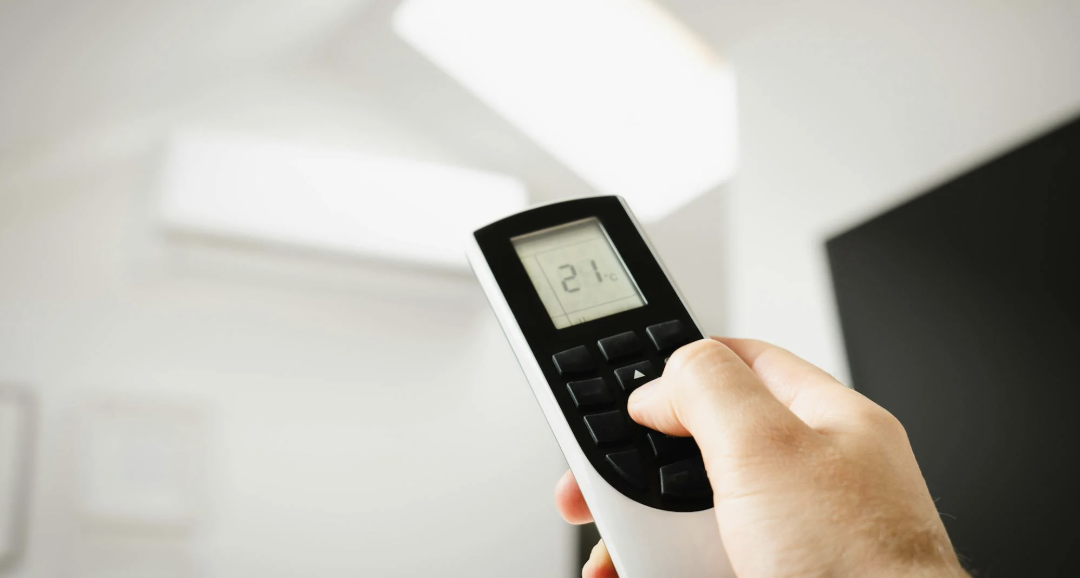
Embrace Smart Home Technology: Smart home devices, such as programmable thermostats, smart plugs, and energy monitors, can help you track and manage your energy use more effectively. These gadgets allow you to automate energy-saving practices, such as turning off lights when no one is in the room or adjusting the thermostat based on your schedule.
-
Maintain Your Appliances: Regular maintenance can improve the efficiency of your electronics. For instance, cleaning the filters in your air conditioner or vacuum can ensure they operate more efficiently. Dusting and keeping vents clear also helps prevent overheating, which can lead to increased energy consumption.
Small Space Audio Enhancements
Optimizing your home audio setup can also contribute to energy conservation, especially if you live in a small space. Here are a few tips for making the most of your audio system without unnecessary energy waste:
-
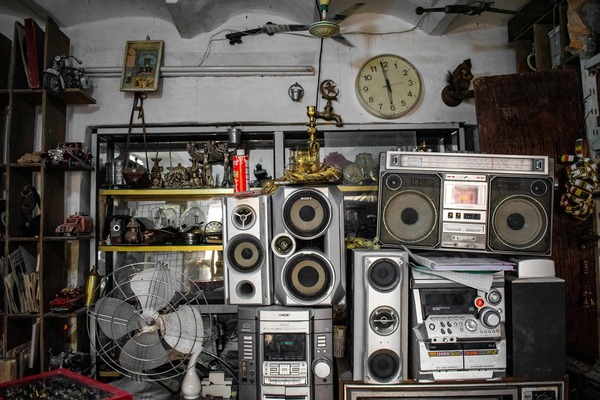
Choose Compact, Efficient Speakers: Small space audio enhancements often involve selecting speakers and audio equipment designed for smaller rooms. Compact, energy-efficient speakers can provide excellent sound quality without consuming excessive power.
-
Utilize Multi-Function Devices: Consider using multi-function devices that combine several features into one. For example, a soundbar with built-in Bluetooth, Wi-Fi, and voice assistant capabilities can reduce the need for multiple standalone devices, thereby saving energy.
-
Optimize Placement and Acoustics: Proper placement of your speakers can enhance sound quality, reducing the need to crank up the volume. Positioning speakers at optimal heights and angles, and using sound-absorbing materials in your room, can make a significant difference.
Leveraging Renewable Energy
Another powerful way to conserve energy and save money is by integrating renewable energy sources into your home. Solar panels, for instance, can significantly reduce your reliance on the grid, lowering your electricity bills and your carbon footprint. While the initial investment may be high, government incentives and long-term savings often make it a worthwhile option.
Behavior Changes for Energy Conservation
While upgrading your electronics and optimizing their use are crucial, changing your daily habits can also lead to substantial energy savings:
-
Be Mindful of Usage: Simple habits like turning off lights when leaving a room, using natural light during the day, and minimizing the use of high-energy appliances can collectively make a big impact.
-
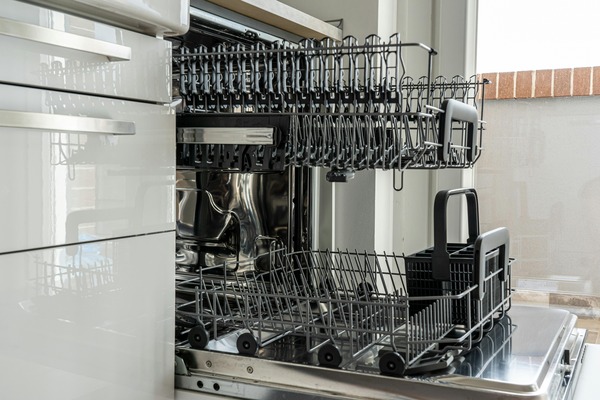
Batch Tasks: Using devices like washing machines, dishwashers, and ovens efficiently by running full loads can help reduce energy waste.
-
Educate and Involve the Household: Encouraging everyone in your household to be conscious of their energy use can amplify your conservation efforts. Small actions, when multiplied across all members of the family, can lead to significant savings.
Conclusion
Conserving energy and saving money through electronics is not only beneficial for your wallet but also for the environment. By being mindful of your energy consumption, optimizing the use of your devices, and adopting energy-efficient products and habits, you can make a positive impact. Small steps, such as utilizing small space audio enhancements and unplugging devices when not in use, can collectively lead to significant energy savings. Embrace these practices to enjoy a more sustainable and cost-effective lifestyle.
Implementing these strategies can seem daunting at first, but with gradual changes and consistent effort, you can create an energy-efficient home that benefits both your finances and the planet. Start today and see the difference it makes.
About the Author